
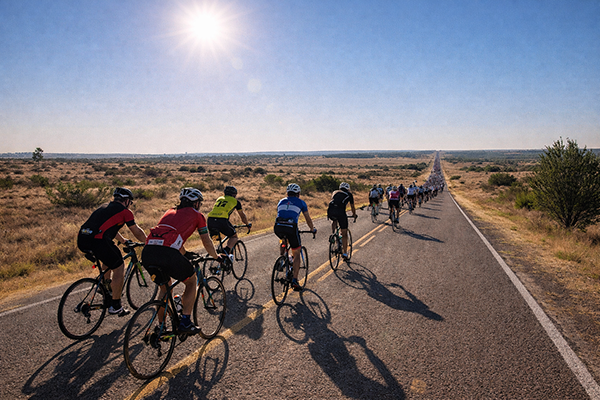
The Hotter’N Hell Hundred is one of the most famous endurance cycling events in the United States. Riders who decide to train for Hotter’N Hell Hundred quickly discover that the challenge is defined not only by distance, but also by the intense late-summer heat of North Texas. Held each year in Wichita Falls, the event attracts thousands of riders who gather to test themselves across long, exposed roads where temperature and pacing play a major role in determining success.
While the headline distance of 100 miles is familiar to many experienced cyclists, the environmental conditions make the ride far more demanding than a typical century. Riders must learn to manage hydration, nutrition, and effort carefully in order to avoid overheating or fading during the latter stages of the ride.
For athletes preparing within the United States, working with experienced cycling coaching in Texas can help replicate the endurance and heat-management strategies needed to perform well at this iconic event.
Why the Hotter’N Hell Hundred Is So Challenging
Anyone planning to train for Hotter’N Hell Hundred should first understand what makes the event unique. Unlike mountainous endurance rides that feature major climbs, the challenge here comes from long stretches of open road combined with high temperatures and persistent sun exposure.
The event takes place in late August, when temperatures in Texas frequently exceed 35°C (95°F). Riders often begin early in the morning, but the heat intensifies quickly as the day progresses. Dehydration and overheating become real concerns if riders fail to pace themselves or drink consistently.
The course itself features relatively gentle terrain, but the exposed nature of the roads means riders can encounter strong winds. Headwinds across open plains can gradually sap energy, making efficient drafting and group riding valuable skills.
The Fitness Demands of Hotter’N Hell Hundred
The physiological demands of the event mean that riders who want to train for Hotter’N Hell Hundred should prioritise endurance durability and efficient pacing. The ability to sustain moderate effort for several hours while coping with heat stress is the defining requirement.
Aerobic endurance forms the foundation of preparation. Long steady rides allow the body to adapt to sustained workloads while improving the ability to metabolise energy efficiently over long distances.
Heat tolerance also becomes a major factor. Riders who train in cooler climates may struggle initially when riding in hot conditions. Gradual exposure to warmer temperatures during training helps the body adapt by improving sweating efficiency and fluid balance.
Fatigue resistance is equally important. As temperatures rise later in the ride, maintaining consistent power output becomes increasingly difficult. Riders who pace themselves effectively during the early hours often perform far better in the final miles.
How to Structure Training for Hotter’N Hell Hundred
A well-structured plan to train for Hotter’N Hell Hundred should begin with consistent endurance training. Weekly long rides gradually increase aerobic capacity and prepare riders for the full century distance.
Once endurance fitness is established, riders can introduce tempo sessions that simulate the steady pace often required during long group rides. These sessions teach the body to maintain controlled effort for extended periods without accumulating excessive fatigue.
Training in warm conditions can also be beneficial when possible. Even moderate exposure to heat during training helps riders become more comfortable riding in hot environments.
Group riding practice is another useful preparation strategy. Many participants ride in small groups during the event, sharing the workload and reducing wind resistance. Learning to ride efficiently in pacelines can help conserve energy throughout the ride.
Equipment and Preparation Considerations
Equipment choices play a role when riders train for Hotter’N Hell Hundred. Because the event takes place on paved roads with relatively gentle terrain, lightweight road bikes with efficient gearing are typically ideal.
Hydration systems are particularly important. Riders should ensure they have sufficient bottle capacity or hydration packs to maintain fluid intake between aid stations. Practicing hydration strategies during training rides helps prevent dehydration during the event.
Clothing selection can also improve comfort in hot conditions. Lightweight, breathable cycling kits allow better airflow and help regulate body temperature during long hours in the sun.
Common Mistakes Riders Make
One of the most common mistakes riders make when they train for Hotter’N Hell Hundred is underestimating the effect of heat. Starting too aggressively early in the ride can lead to rapid dehydration and fatigue later in the event.
Another frequent error is neglecting hydration and nutrition planning. Riders who fail to drink regularly or consume carbohydrates throughout the ride may experience significant energy loss.
Some cyclists also avoid riding in warm conditions during training. While comfort is understandable, this can leave riders poorly prepared for the intense Texas heat experienced during the event.
How Coaching Can Help
Riders preparing to train for Hotter’N Hell Hundred often benefit from structured coaching. A personalised training programme can help build endurance gradually while incorporating heat management strategies and pacing guidance.
Coaching also provides valuable support for nutrition planning, recovery management, and race strategy. Riders targeting long endurance events frequently discover that small improvements in preparation can lead to substantial gains in performance.
If you are preparing for endurance events like Hotter’N Hell Hundred, working with an online cycling coach can provide the structure needed to train effectively. Riders across the country can also explore our USA cycling coaching services designed for endurance cyclists.
Final Thoughts
For riders preparing to train for Hotter’N Hell Hundred, the key to success lies in balancing endurance fitness with intelligent heat management. Riders who pace themselves carefully, hydrate consistently, and adapt their training to warm conditions are far more likely to enjoy a successful ride.
By building endurance gradually and preparing specifically to train for Hotter’N Hell Hundred, cyclists can confidently take on one of the most famous endurance rides in North America.