
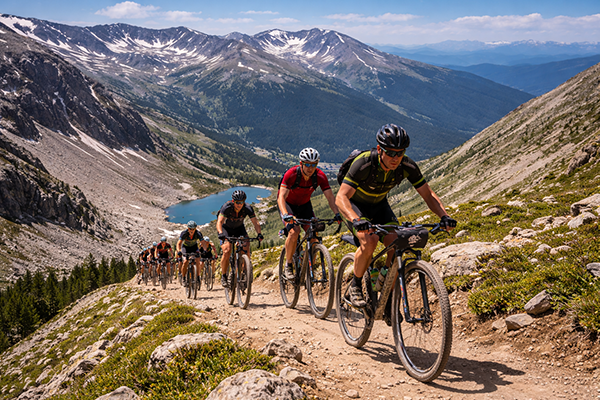
The Leadville Trail 100 MTB has earned legendary status in endurance mountain biking. Riders who decide to train for Leadville 100 MTB quickly discover that the challenge goes far beyond riding a long distance. Set high in the Colorado Rockies, the race takes place almost entirely above 10,000 feet, combining long climbs, thin air, and rugged terrain into one of the most demanding amateur cycling events in the world.
Completing the event requires more than simply being fit. The altitude alone dramatically changes how the body responds to effort, making pacing, preparation, and race strategy just as important as raw power. Riders who perform well typically arrive with a carefully structured training plan designed specifically for the unique demands of Leadville’s mountainous course.
For athletes preparing for the race from the United States, working with structured cycling coaching in Colorado can be particularly valuable. Preparing for long climbs, altitude exposure, and sustained endurance efforts requires a slightly different approach than training for typical mountain bike races.
Why the Leadville Trail 100 MTB Is So Challenging
Riders aiming to train for Leadville 100 MTB must first understand why the race is considered so difficult. While the headline number is the 100-mile distance, the true challenge lies in the combination of elevation, altitude, and sustained climbing.
The race starts in the historic mining town of Leadville at roughly 10,150 feet above sea level. From there, riders tackle more than 12,000 feet of elevation gain, including the iconic climb to Columbine Mine, which reaches elevations above 12,500 feet. At these heights, oxygen availability is significantly reduced, meaning even strong riders often struggle to maintain their normal power output.
The terrain itself adds another layer of difficulty. Much of the course is made up of rough double-track, loose gravel, rocky descents, and long fire-road climbs. Riders must maintain concentration and bike control for hours while managing fatigue and staying on top of fueling and hydration.
The Fitness Demands of Leadville
The physical demands of the race are unique enough that riders looking to train for Leadville 100 MTB should focus heavily on endurance durability and climbing strength. Unlike shorter mountain bike races that rely on repeated bursts of high intensity, Leadville rewards riders who can sustain steady efforts for extended periods.
A strong aerobic engine is the foundation. Riders need the ability to maintain controlled power output for many hours while gradually accumulating fatigue. Long climbs such as Powerline and Columbine require sustained seated efforts where pacing discipline becomes critical.
Altitude adds another physiological dimension. Because oxygen availability decreases at higher elevations, heart rate and breathing rate increase more rapidly at the same effort level. Riders who live at lower elevations often notice that efforts feel harder and recovery takes longer when riding above 10,000 feet.
Muscular endurance is also crucial. Long mountain climbs require riders to push steady power through the pedals for extended periods, often while remaining seated. Training that develops climbing strength and fatigue resistance is essential for performing well in the latter stages of the race.
How to Structure Training for Leadville
Anyone planning to train for Leadville 100 MTB should begin with a strong aerobic base. Long, steady rides are particularly valuable because they develop the endurance needed to sustain effort throughout the race. Consistency is more important than occasional epic rides, and gradually increasing weekly training volume allows the body to adapt safely.
Once the aerobic base is established, riders should introduce structured climbing work. Sustained tempo and sweet spot intervals performed on long climbs or indoor trainers can help develop the ability to maintain steady power output. These sessions simulate the extended climbing efforts that dominate the Leadville course.
Race simulation rides also become increasingly important as the event approaches. These rides should combine climbing, technical terrain, and realistic fueling strategies. Learning how to eat, drink, and pace correctly during long training sessions can prevent common race-day mistakes.
Mountain bike handling skills should not be ignored either. While the course is not extremely technical, fatigue makes even moderate terrain more challenging after several hours of riding. Practicing descending, cornering, and bike control on rough surfaces can make a significant difference when the race becomes physically demanding.
Equipment and Preparation Considerations
Equipment choice plays a major role in preparing to train for Leadville 100 MTB successfully. Because the course includes long climbs and fast descents, riders typically favour lightweight mountain bikes with efficient suspension and gearing suited to sustained climbing.
Tire selection is particularly important. Many riders choose fast-rolling cross-country tires that still offer enough grip for loose gravel and rocky descents. Tire pressure should also be carefully tested during training to find a balance between comfort, traction, and rolling efficiency.
Hydration and nutrition planning are equally important. The altitude and dry mountain air can accelerate dehydration, so riders must drink consistently throughout the race. Carbohydrate intake should also be practiced during training rides so that fueling becomes automatic on race day.
Common Mistakes Riders Make
Many riders underestimate how much pacing discipline matters when they train for Leadville 100 MTB. Because the race begins with a large group start, it is easy to get caught up in the early excitement and ride harder than planned. Unfortunately, this often leads to fatigue later in the event.
Another common mistake is failing to prepare for altitude. Riders traveling from lower elevations often arrive only a day or two before the race and are surprised by how difficult the climbs feel. While altitude adaptation takes time, arriving several days early can help the body begin adjusting.
Equipment choices can also cause problems. Riders who experiment with new tires, nutrition products, or bike setups close to race day sometimes encounter issues that could have been avoided with more testing during training.
How Coaching Can Help
Preparing for a race like Leadville involves more than simply increasing training volume. Riders who want to train for Leadville 100 MTB effectively often benefit from structured coaching that focuses on the specific physiological demands of the event.
A personalised training plan can help identify weaknesses, build endurance progressively, and structure key workouts around climbing strength and fatigue resistance. Coaching also provides guidance on pacing, fueling, and equipment preparation.
Riders looking for additional support can explore our online cycling coach services or learn more about USA cycling coaching designed specifically for endurance athletes targeting major events like Leadville.
Final Thoughts
For riders preparing to train for Leadville 100 MTB, patience and preparation are the most valuable assets. Success at Leadville rarely comes from short bursts of exceptional fitness. Instead, it comes from months of steady training, thoughtful pacing, and careful attention to the unique challenges of racing at altitude.
Riders who approach the event with respect for the terrain and the environment usually find the experience deeply rewarding. By preparing properly and committing to the process required to train for Leadville 100 MTB, you give yourself the best chance of enjoying one of mountain biking’s most iconic endurance challenges.