
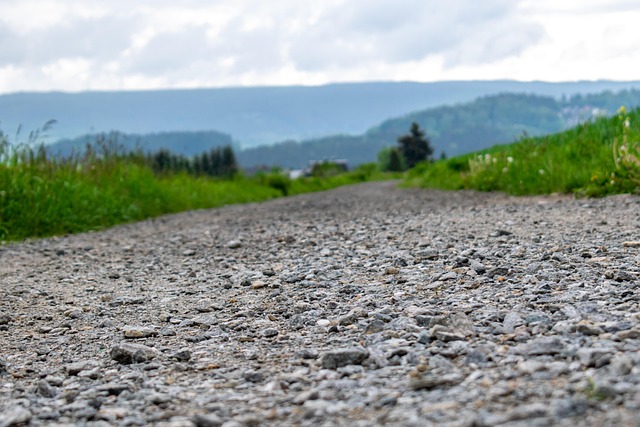
Gravel racing has exploded in popularity across the US and worldwide, with events like Unbound Gravel, Belgian Waffle Ride, and SBT GRVL drawing thousands of riders eager to tackle challenging mixed terrain. But racing 100, 150, or even 200 miles off-road isn’t just a test of endurance – it requires smart preparation, fuelling strategy, and mental toughness.
Here is your complete guide to training for long gravel races, so you can roll up to the start line confident, fit, and ready for your best ride yet.
1. Build Your Endurance Base
Long gravel races demand a strong aerobic engine. Start with a solid base training phase, focusing on:
- Consistent weekly mileage: Build gradually, aiming for longer endurance rides at low to moderate intensity (Zone 2).
- Back-to-back long rides: Great for teaching your body to perform under fatigue, mimicking race demands.
- Time over distance: Focus on ride duration rather than purely miles, especially on rough or hilly gravel routes.
2. Add Specificity: Gravel Simulation Rides
Once you have a base, incorporate gravel-specific training rides:
- Ride on similar surfaces to your target race.
- Practice riding in the drops or on aero bars if using them.
- Train on rolling terrain, loose gravel, and technical sectors to build bike handling confidence.
3. Incorporate Structured Intervals
While endurance is king, power matters:
- Threshold intervals (Sweet Spot & FTP): Boost your sustainable power for long climbs and fast race sections.
- VO2 max efforts: Increase your ceiling power, improving fitness across all zones.
- Tempo riding with surges: Mimics gravel races where intensity varies with terrain.
Example weekly structure (6-8 hours/week):
| Day | Workout |
|---|---|
| Mon | Rest or recovery spin |
| Tue | Threshold intervals (e.g. 3 x 10 mins at FTP) |
| Wed | Endurance ride (1-2 hrs Zone 2) |
| Thu | VO2 max intervals (e.g. 5 x 3 mins hard, 3 mins easy) |
| Fri | Rest or short skills ride |
| Sat | Long gravel simulation ride (3-6 hours) |
| Sun | Optional endurance ride or rest |
Adjust based on fitness level, race goals, and available time.
4. Dial In Your Fuelling Strategy
Nutrition can make or break your race.
- Train your gut: Practice fuelling on long rides. Aim for 60-90g carbs per hour, combining drink mix, gels, bars, or real food.
- Hydration: Include electrolytes, especially in hot or humid conditions.
- Race-day plan: Know aid station locations and plan bottle or hydration pack refills accordingly.
5. Optimise Your Equipment
Long gravel races test your gear as much as your legs.
- Tyre choice and pressure: Balance puncture protection, rolling resistance, and comfort.
- Bike fit: Comfort is crucial for long events. Small adjustments can prevent numbness or pain after hours in the saddle.
- Pack smart: Spare tubes, CO2 or mini pump, multi-tool, tyre plugs, and chain quick links are essential.
6. Train Your Mind
Races of this length inevitably bring low moments. Mental toughness is as important as physical fitness.
- Break the race into smaller segments to stay focused.
- Practice positive self-talk and visualisation in training.
- Expect the unexpected – from mechanicals to mud pits – and adapt calmly.
7. Taper Effectively Before Race Day
Reduce volume but maintain some intensity in the 7-14 days before your race. This allows full recovery while keeping legs sharp for race day performance.
8. Consider Working with a Coach
Training for a gravel race is complex. A coach can:
- Design a structured, progressive plan tailored to your event
- Adjust training around your life and recovery needs
- Build accountability and mental confidence
At RR Cycling Coach, we specialise in helping riders prepare for gravel races with individualised coaching, fueling guidance, and performance strategies to conquer your next big challenge.
Ready to Crush Your Next Gravel Race?
Contact us today to start a personalised training plan and ride into your gravel event with strength and confidence.
Contact RR Cycling Coach Now