
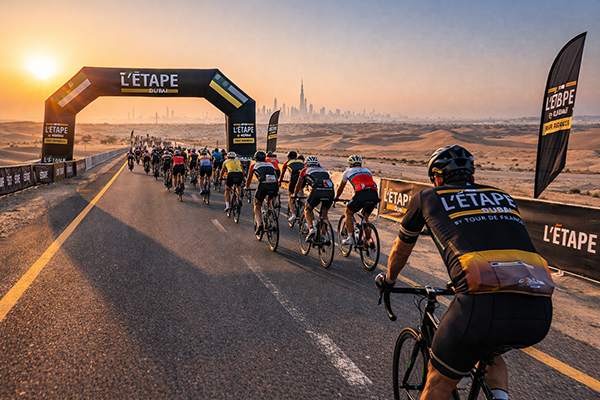
L’Étape Dubai has rapidly become one of the most exciting amateur cycling events in the Middle East. Riders who decide to train for L’Étape Dubai soon realise that the event blends the atmosphere of the Tour de France brand with the unique demands of desert riding. Taking place on wide, fast roads around Dubai and the surrounding desert landscapes, the event offers riders the opportunity to experience professional-style racing conditions in one of the most modern cycling environments in the world.
Although the course is not dominated by extreme climbs, the combination of high speeds, long exposed roads, and warm desert conditions creates a challenging endurance ride. Riders must maintain steady effort within fast-moving groups while managing hydration and pacing across the entire route.
For athletes living in the region, structured cycling coaching in UAE can help replicate the specific demands of desert cycling and prepare riders effectively for the event.
Why L’Étape Dubai Is So Challenging
Anyone planning to train for L’Étape Dubai should first understand the environmental and tactical factors that define the event. Unlike mountainous sportives where climbing dominates the challenge, L’Étape Dubai is shaped by speed, wind exposure, and sustained endurance.
Much of the route takes place on wide desert highways or dedicated cycling routes such as the famous Al Qudra cycling track. These roads allow riders to maintain high speeds for extended periods, which means group riding and drafting play an important role in conserving energy.
Wind is also a constant factor in desert cycling. Open landscapes provide little shelter, meaning riders may encounter strong headwinds or crosswinds that influence pacing and positioning within the peloton.
The Fitness Demands of L’Étape Dubai
The physical demands mean riders who want to train for L’Étape Dubai should focus on endurance and sustained power output. Riders must maintain consistent effort over long distances while responding to changes in pace within the group.
Aerobic endurance is the foundation of preparation. Long rides help improve cardiovascular efficiency and allow riders to maintain steady speed for several hours.
Tempo fitness is also important. Because large sections of the race are ridden at relatively high speed, riders must be comfortable sustaining moderately hard efforts without excessive fatigue.
Heat tolerance also becomes relevant. Even during cooler months, temperatures in Dubai can rise quickly under the sun. Riders who train regularly in warm conditions often find it easier to manage these environmental demands.
How to Structure Training for L’Étape Dubai
A successful training plan to train for L’Étape Dubai should begin with consistent endurance riding. Weekly long rides help build the aerobic base necessary for sustained performance.
Once endurance is established, riders should incorporate tempo sessions and longer steady intervals. These sessions simulate the sustained efforts required when riding within fast-moving groups.
Group rides can also be valuable preparation. Practicing paceline riding and drafting allows riders to improve efficiency while developing confidence riding closely with others.
Hydration and nutrition strategies should also be tested during training rides. Riders need to ensure they maintain energy levels and fluid balance throughout the event.
Equipment and Preparation Considerations
Equipment choices are relatively straightforward for riders who train for L’Étape Dubai. Lightweight road bikes with aerodynamic wheels are commonly used because the course encourages sustained high speeds.
Tyre choice should balance rolling efficiency with reliability on long desert roads. Riders should also ensure their gearing allows comfortable cadence during sustained efforts.
Hydration systems deserve particular attention. Riders should carry sufficient water bottles and develop a consistent drinking schedule during training rides.
Sun protection is also important. Sunglasses, sunscreen, and lightweight clothing help protect riders from prolonged exposure to desert sunlight.
Common Mistakes Riders Make
One of the most common mistakes riders make when they train for L’Étape Dubai is neglecting group riding skills. Because the event often features fast pelotons, riders who are uncomfortable drafting may struggle to maintain pace efficiently.
Another frequent mistake is underestimating hydration needs. Desert conditions can accelerate fluid loss, so riders must drink regularly even if they do not feel thirsty.
Some riders also begin the event too aggressively. Maintaining controlled pacing during the early kilometres helps ensure riders have enough energy for the latter stages of the race.
How Coaching Can Help
Riders aiming to train for L’Étape Dubai effectively often benefit from structured coaching. A personalised training plan helps build endurance progressively while incorporating the sustained efforts required for high-speed group riding.
Coaching also provides guidance on pacing strategy, equipment setup, and nutrition planning. Riders targeting major amateur events often find that structured preparation improves both performance and confidence.
If you are preparing for endurance events like L’Étape Dubai, working with an online cycling coach can provide the structure needed to train effectively. Athletes across the region can also explore our UAE cycling coaching services designed for endurance cyclists.
Final Thoughts
For riders preparing to train for L’Étape Dubai, the key to success lies in combining endurance fitness with efficient group riding and smart pacing. The fast desert roads reward riders who maintain steady effort while taking advantage of drafting opportunities.
By building endurance gradually and preparing specifically to train for L’Étape Dubai, cyclists can enjoy one of the most exciting amateur cycling events in the Middle East.