
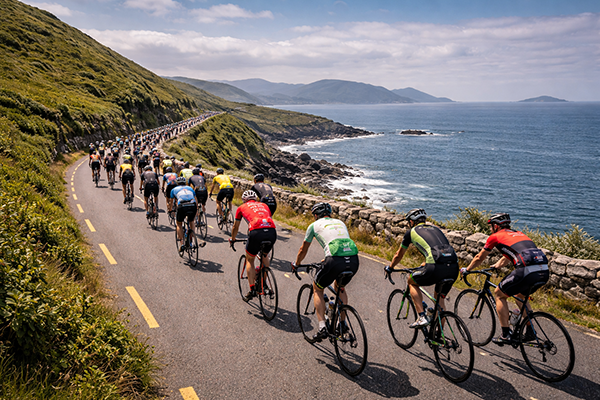
The Ring of Kerry Charity Cycle is one of Ireland’s most famous and well-loved cycling events. Riders who decide to train for Ring of Kerry Cycle quickly discover that the event combines spectacular scenery with a genuine endurance challenge. Taking place on the southwest coast of Ireland, the route follows the famous Ring of Kerry touring road and covers roughly 170 kilometres of rolling terrain, coastal winds, and steady climbs.
Although the event is widely regarded as a friendly and inclusive charity ride, completing the full distance still requires thoughtful preparation. Riders must maintain steady effort across a long day in the saddle while navigating the hills and variable weather conditions that are typical of Ireland’s Atlantic coastline.
For athletes preparing locally or internationally, working with structured cycling coaching in Ireland can help build the endurance and pacing strategy required to complete the ride comfortably.
Why the Ring of Kerry Cycle Is So Challenging
Anyone looking to train for Ring of Kerry Cycle should understand that the difficulty lies not in one single climb but in the cumulative fatigue created by the route. The ride circles the Iveragh Peninsula and passes through a mix of coastal roads, rural villages, and scenic mountain sections.
Wind coming from the Atlantic Ocean can play a significant role during the ride. Sections along the coastline may expose riders to strong crosswinds or headwinds, increasing the effort required to maintain speed.
The distance itself also demands respect. At roughly 170 kilometres, the event is longer than many typical sportives. Riders who underestimate the duration of the ride often find themselves struggling during the final third of the course.
The Fitness Demands of the Ring of Kerry Cycle
The physiological demands mean riders who want to train for Ring of Kerry Cycle should prioritise endurance and steady pacing. The event rewards cyclists who can maintain consistent effort throughout the day rather than those who push too hard during the early stages.
Aerobic endurance forms the backbone of preparation. Long training rides help the body adapt to sustained effort and improve the ability to metabolise fuel efficiently over extended periods.
Climbing strength also becomes important. While none of the climbs are extremely long, the repeated rolling hills gradually accumulate fatigue. Riders who manage these climbs smoothly without surging excessively often finish the event feeling far stronger.
Mental endurance should not be overlooked either. Spending several hours on the bike requires patience, focus, and the ability to maintain a steady rhythm even when conditions become challenging.
How to Structure Training for Ring of Kerry Cycle
A well-designed plan to train for Ring of Kerry Cycle should begin with building a solid aerobic base. Consistent weekly riding gradually increases endurance and prepares the body for longer distances.
Long weekend rides become particularly important. Gradually increasing these rides toward distances of 120–150 kilometres helps simulate the fatigue riders will experience during the event.
Hill training can also improve performance. Including moderate climbing efforts during training rides helps riders develop the strength needed to handle the rolling terrain of the Ring of Kerry route.
Practicing nutrition during training rides is equally important. Riders should experiment with carbohydrate intake and hydration strategies to ensure energy levels remain stable throughout the day.
Equipment and Preparation Considerations
Equipment choices are relatively straightforward for riders who train for Ring of Kerry Cycle. Lightweight road bikes with comfortable gearing are well suited to the route’s rolling terrain.
Weather preparation is particularly important in Ireland. Conditions can change rapidly, so riders should consider carrying lightweight rain protection and additional layers if necessary.
Bike comfort also plays a role. Spending several hours in the saddle means small fit issues can gradually become uncomfortable. Ensuring the bike position is well adjusted during training can prevent problems during the ride.
Common Mistakes Riders Make
One of the most common mistakes riders make when they train for Ring of Kerry Cycle is starting too quickly. The excitement of the event and the early downhill sections can encourage riders to push harder than planned.
Another frequent error is underestimating fueling needs. Riders who fail to eat regularly may experience energy loss later in the ride.
Some cyclists also neglect training for distance. Riders comfortable with 80–100 kilometre rides may still struggle with the longer duration of the Ring of Kerry route if they do not progressively increase their training distances.
How Coaching Can Help
Riders aiming to train for Ring of Kerry Cycle effectively often benefit from structured coaching. A personalised training plan helps build endurance gradually while ensuring the right balance between training and recovery.
Coaching also provides guidance on pacing strategy, nutrition planning, and event preparation. Many riders discover that small improvements in preparation can make a large difference to comfort and enjoyment on the day.
If you are preparing for long endurance events, working with an online cycling coach can provide the structure and accountability needed to train effectively. Riders across Europe can also explore our Ireland cycling coaching services designed for endurance cyclists.
Final Thoughts
For riders preparing to train for Ring of Kerry Cycle, the key to success lies in building endurance steadily and pacing the event carefully. The combination of long distance, coastal winds, and rolling terrain rewards cyclists who approach the ride with patience and preparation.
By committing to consistent training and preparing specifically to train for Ring of Kerry Cycle, riders can enjoy one of Ireland’s most scenic and rewarding cycling events.