
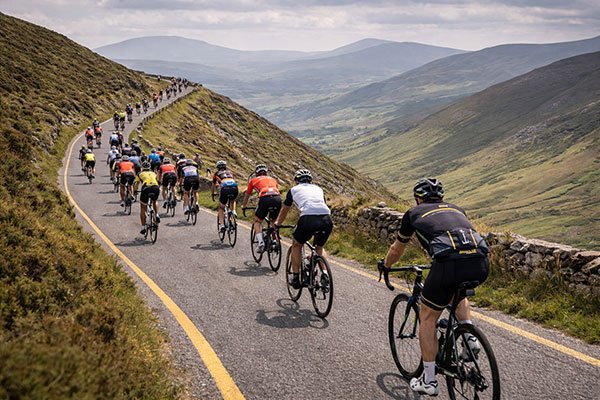
The Wicklow 200 is widely considered one of Ireland’s most demanding amateur cycling events. Riders who decide to train for Wicklow 200 quickly discover that this iconic sportive combines stunning scenery with relentless climbing and long hours in the saddle. Covering approximately 200 kilometres through the Wicklow Mountains south of Dublin, the route features a series of challenging climbs, rolling terrain, and unpredictable weather conditions that can test even experienced cyclists.
Unlike many sportives where the difficulty lies in a single famous climb, the Wicklow 200 creates fatigue through a steady accumulation of elevation. Riders encounter multiple climbs throughout the day, including famous ascents such as the Sally Gap and Wicklow Gap. This means pacing and endurance become just as important as climbing strength.
For athletes targeting this event, structured cycling coaching in Ireland can help riders prepare for both the physical and environmental demands of this legendary ride.
Why the Wicklow 200 Is So Challenging
Anyone planning to train for Wicklow 200 should understand that the challenge comes from both distance and terrain. At roughly 200 kilometres, the ride already demands strong endurance fitness. However, it is the constant climbing that makes the event particularly demanding.
The Wicklow Mountains are famous for their steep gradients and exposed roads. Climbs often arrive in quick succession, giving riders little time to fully recover between efforts. Riders who attack the early climbs too aggressively often find themselves struggling later in the day.
Weather can also play a significant role. Conditions in the Wicklow Mountains can change rapidly, with wind and rain occasionally adding to the challenge. Riders must be prepared for a range of conditions throughout the event.
The Fitness Demands of the Wicklow 200
The physiological demands mean riders who want to train for Wicklow 200 should prioritise endurance and climbing ability. The event rewards cyclists who can maintain steady power output across long distances while managing repeated climbing efforts.
Aerobic endurance forms the foundation of preparation. Riders must be capable of spending eight or more hours on the bike while maintaining consistent effort throughout the day.
Climbing strength is equally important. Sustained hill efforts during training help riders develop the muscular endurance required to handle multiple long climbs.
Fatigue resistance also becomes a key factor. Riders who train their bodies to maintain power output even after several hours of riding will perform far better during the final stages of the event.
How to Structure Training for Wicklow 200
A successful training plan to train for Wicklow 200 should begin with building a strong aerobic base. Regular endurance rides help improve cardiovascular efficiency and prepare the body for longer distances.
Long weekend rides are particularly important. Gradually increasing ride duration toward distances of 150–180 kilometres allows riders to simulate the fatigue experienced during the event.
Climbing sessions should also form a central part of preparation. Repeated hill efforts help develop the strength needed to handle the sustained climbs found throughout the Wicklow Mountains.
Tempo training can also be beneficial. Riding at moderately challenging intensity helps improve the ability to maintain pace across rolling terrain without excessive fatigue.
Equipment and Preparation Considerations
Equipment selection can influence performance when riders train for Wicklow 200. Lightweight road bikes with appropriate gearing allow riders to maintain comfortable cadence on steep climbs.
Weather preparation is also important. Riders should be prepared for rain and wind by carrying lightweight waterproof layers and additional clothing if necessary.
Bike comfort plays an equally important role. Spending many hours in the saddle means proper bike fit and saddle comfort can significantly affect overall performance.
Nutrition planning should be practiced during training rides. Riders should experiment with energy intake and hydration strategies to ensure they maintain consistent fuel throughout the event.
Common Mistakes Riders Make
One of the most common mistakes riders make when they train for Wicklow 200 is starting too aggressively. The early climbs can tempt riders to push harder than planned, which can lead to fatigue later in the ride.
Another common error is neglecting long training rides. Riders who focus only on shorter high-intensity sessions may struggle with the endurance demands of a 200 kilometre ride.
Some cyclists also underestimate the importance of pacing on climbs. Maintaining a controlled effort during long ascents helps conserve energy for later sections of the route.
How Coaching Can Help
Riders aiming to train for Wicklow 200 effectively often benefit from structured coaching. A personalised training plan helps build endurance gradually while incorporating the climbing sessions needed for mountainous terrain.
Coaching also provides guidance on pacing strategy, nutrition planning, and event preparation. Riders targeting challenging endurance events often find that structured preparation improves both performance and confidence.
If you are preparing for events like Wicklow 200, working with an online cycling coach can help structure your training effectively. Athletes across Europe can also explore our Ireland cycling coaching services designed specifically for endurance cyclists.
Final Thoughts
For riders preparing to train for Wicklow 200, success depends on combining endurance fitness with climbing strength and intelligent pacing. The route rewards riders who approach the event with patience and preparation.
By committing to consistent training and preparing specifically to train for Wicklow 200, cyclists can confidently take on one of Ireland’s most iconic and rewarding endurance cycling challenges.