
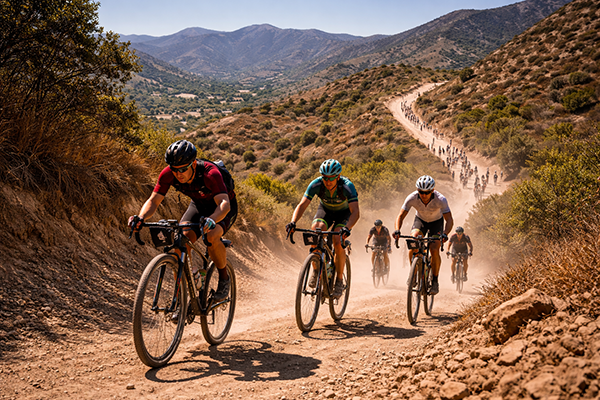
The Belgian Waffle Ride has developed a reputation as one of the most demanding mixed-terrain cycling events in the United States. Riders who decide to train for Belgian Waffle Ride quickly realise that the event is not a typical road race or gravel ride. Instead, it combines steep climbs, technical gravel sectors, rough dirt roads, and fast tarmac sections into a long endurance challenge that rewards versatility and resilience.
Originally held in Southern California, the event has grown into a series that attracts thousands of amateur riders each year. The course design intentionally blends multiple cycling disciplines, forcing riders to adapt constantly to changing terrain and race dynamics. Success therefore depends on more than simple endurance fitness. Riders must be comfortable switching between road efficiency, gravel handling, and sustained climbing efforts.
For riders preparing within the United States, working with experienced cycling coaching in California can help replicate the mixed terrain demands of the race and structure training around the specific challenges of Belgian Waffle Ride courses.
Why Belgian Waffle Ride Is So Challenging
Anyone looking to train for Belgian Waffle Ride should first understand why the event is considered so unique. Unlike traditional road sportives that follow smooth pavement, the course deliberately mixes surfaces to create constant variation. Riders may move from smooth road sections into steep gravel climbs, rocky farm tracks, or loose dirt descents within a matter of minutes.
This variability forces riders to adapt their pacing repeatedly. Hard accelerations are often required to maintain position on climbs or technical sections, while road sectors reward riders who can maintain steady speed in groups. As a result, the race rarely settles into a predictable rhythm.
Another factor is the elevation profile. Many Belgian Waffle Ride courses feature significant climbing, often spread across numerous short and steep hills rather than a few long ascents. Riders therefore need both climbing strength and the ability to recover quickly between repeated efforts.
The Fitness Demands of Belgian Waffle Ride
The physical demands of the race mean that riders planning to train for Belgian Waffle Ride should focus on developing both endurance and repeatable power. Long-distance aerobic capacity is still the foundation, but the event also requires riders to manage bursts of higher intensity when tackling steep gravel sectors or responding to terrain changes.
Fatigue resistance is especially important. Riders must maintain concentration and control across multiple surfaces while managing muscular fatigue from climbing and rough terrain. Strong core stability and upper body endurance can help maintain efficient bike handling when the course becomes technical.
Climbing ability is another key component. While the climbs may not always be long, their steep gradients demand controlled pacing and strong seated power. Riders who can maintain consistent effort without spiking their power too aggressively often perform better over the full distance.
How to Structure Training for Belgian Waffle Ride
When designing a plan to train for Belgian Waffle Ride, the first priority should be building a strong aerobic base. Long endurance rides allow the body to adapt to sustained efforts and help riders develop the durability required for multi-hour events.
Once this foundation is established, training should include terrain-specific sessions. Riders benefit from combining road and gravel rides, ideally on rolling routes that include repeated climbs and descents. These sessions mimic the constantly changing terrain of the race and prepare the body for shifting effort levels.
Structured interval training can also help simulate the race’s unpredictable nature. Short tempo or threshold intervals placed within longer rides teach riders to recover quickly after climbing surges while still maintaining endurance pace.
Bike handling practice is equally important. Gravel descents, loose corners, and rough tracks require confident control, especially when fatigue builds later in the ride. Practicing these skills during training can improve both speed and safety during the race.
Equipment and Preparation Considerations
Choosing the right equipment can make a significant difference when preparing to train for Belgian Waffle Ride. Because the event combines road and gravel terrain, many riders select gravel bikes with efficient gearing and tyres designed for mixed surfaces.
Tyre selection often becomes one of the most important decisions. Riders need enough grip and puncture protection to handle rough dirt sections while still maintaining efficiency on faster paved roads. Testing tyre pressure and tread patterns during training rides can help determine the best setup.
Nutrition and hydration should also be carefully planned. The varied terrain can make it harder to eat consistently, especially during technical sectors. Practicing nutrition strategies during long rides helps ensure riders maintain energy levels throughout the event.
Common Mistakes Riders Make
One of the biggest mistakes riders make when they train for Belgian Waffle Ride is underestimating how quickly fatigue can accumulate. The constant terrain changes create repeated power spikes that can drain energy earlier than expected if pacing is not controlled.
Another common error is preparing exclusively on smooth roads. While road fitness is important, riders who avoid gravel during training often struggle with bike handling and confidence on loose surfaces.
Equipment experimentation close to race day can also cause problems. Riders who try unfamiliar tyres or setups without testing them thoroughly may encounter unexpected issues during the event.
How Coaching Can Help
Riders who want to train for Belgian Waffle Ride effectively often benefit from structured coaching. A personalised training plan can help balance endurance development with terrain-specific preparation while ensuring riders build the strength required for repeated climbing efforts.
Coaching also provides valuable guidance on pacing, equipment choices, and nutrition planning. Riders preparing for mixed-terrain events often discover that small adjustments to their training approach can significantly improve performance.
If you are preparing for events like Belgian Waffle Ride, working with an online cycling coach can help structure your training plan and ensure you arrive at the start line confident and prepared. Riders across the country can also explore our USA cycling coaching services designed for endurance cyclists targeting challenging events.
Final Thoughts
For riders preparing to train for Belgian Waffle Ride, versatility is the most valuable skill. The event rewards cyclists who can adapt to changing terrain, maintain endurance across long distances, and remain composed when the course becomes difficult.
By building endurance steadily, practicing gravel handling, and developing strong climbing ability, riders give themselves the best chance of enjoying and completing this uniquely challenging event. With the right preparation and mindset, riders who train for Belgian Waffle Ride can experience one of the most memorable endurance cycling events in North America.